Home / Services / Sustainability / Carbon Footprint
Sustainability

Carbon Footprint

We measure, calculate and reduce the greenhouse gas emissions of your organisation, product or event — the first step in your climate strategy.

Calculate my footprint →

What is the carbon footprint?

The Carbon Footprint measures the amount of greenhouse gas emissions produced and released into the atmosphere, directly or indirectly, by an organisation, product, event or individual.

The carbon footprint is used as a sustainability indicator that makes it possible to quantify, assess and monitor the greenhouse gas emissions associated with an organisation, event, product or activity and, therefore, its contribution to climate change.

Bosque verde frondoso visto desde el aire

Greenhouse gases

The main greenhouse gases (GHG) considered in emissions inventories are carbon dioxide (CO2), methane (CH4), nitrous oxide (N2O), hydrofluorocarbons (HFCs), perfluorocarbons (PFCs), sulphur hexafluoride (SF6) and nitrogen trifluoride (NF3). In order to compare their effect on the climate, the emissions of these gases are usually expressed in carbon dioxide equivalent (CO2e), taking into account the global warming potential of each one.

CO2CH4N2OHFCPFCSF6NF3CO2e

The increase in the concentration of greenhouse gases in the atmosphere as a result of human activities intensifies the natural greenhouse effect. These gases absorb and re-emit part of the infrared radiation emitted by the Earth's surface, contributing to global warming and climate change.

The corporate carbon footprint

The corporate carbon footprint measures the greenhouse gas emissions of its activities, both direct emissions controlled by the company and emissions caused indirectly by the organisation. Calculating the corporate carbon footprint is the first step for organisations to be able to reduce or offset their greenhouse gases.

Edificio corporativo moderno con fachada acristalada
3types of carbon footprint
3calculation phases
CO2ecommon unit of measurement
ISO 14064reference standard

What is it for and why calculate the carbon footprint?

An increasing number of organisations are incorporating the measurement and reduction of their greenhouse gas emissions into their environmental and climate strategy. In Spain, the Ministry for the Ecological Transition and the Demographic Challenge (MITECO) manages the Registry of carbon footprint, offsetting and carbon dioxide absorption projects, currently regulated by Royal Decree 214/2025, of 18 March.

This framework makes it possible to recognise organisations' efforts in calculating, reducing and offsetting emissions. In addition, Royal Decree 214/2025 establishes, for certain organisations, obligations relating to the calculation of the carbon footprint and the preparation and publication of greenhouse gas emission reduction plans.

Profesional revisando y firmando documentación sobre una mesa en una oficina

At SinCeO2 we help you both to calculate your carbon footprint and to develop reduction plans, as well as to handle the procedures required for its registration in MITECO's carbon footprint Registry, where applicable.

  • ✓Carbon footprint calculation
  • ✓Development of emission reduction plans
  • ✓Processing and registration in the MITECO Carbon Footprint Registry
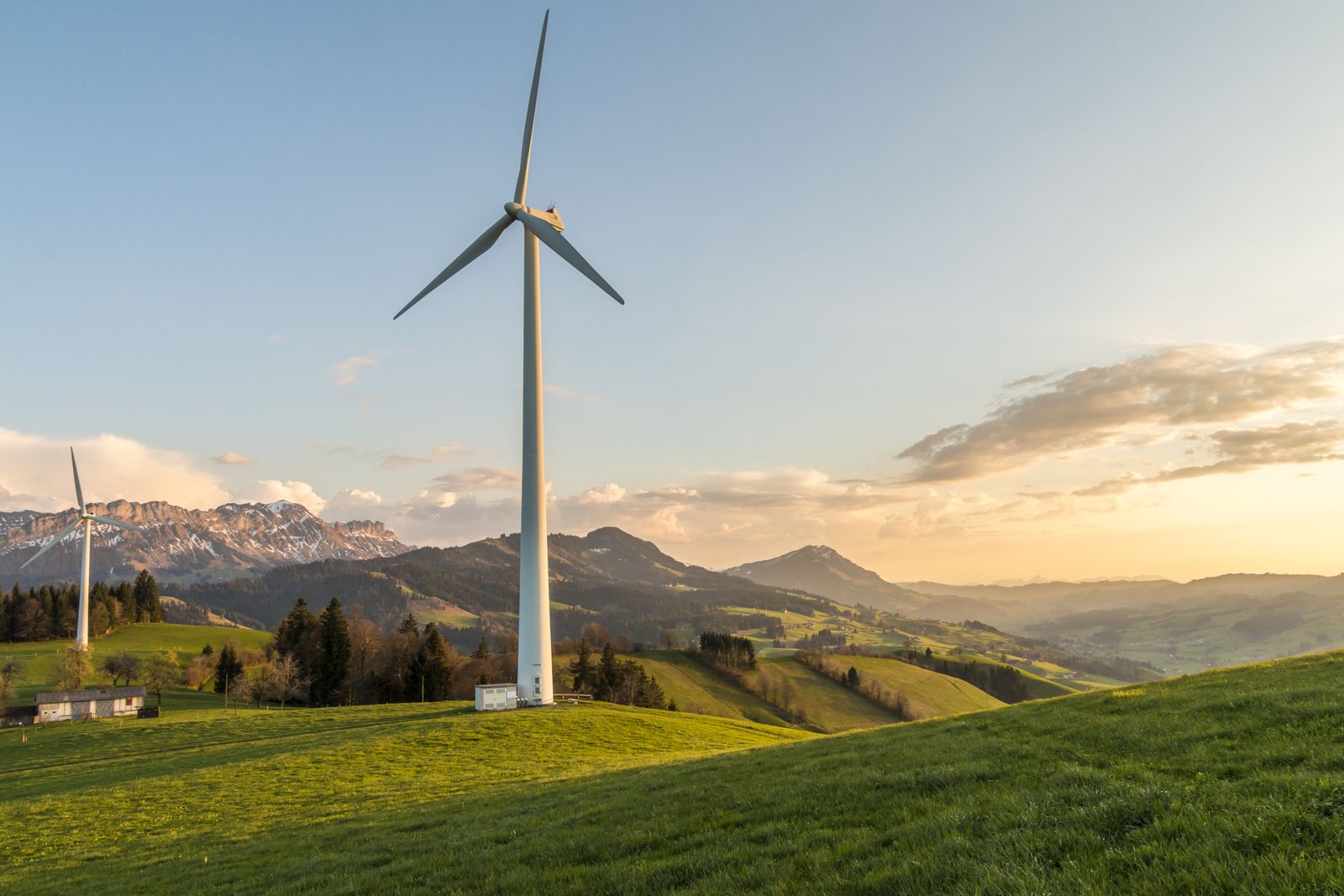
Aerogenerador en una colina verde con montañas al fondo, energía eólica en un entorno natural
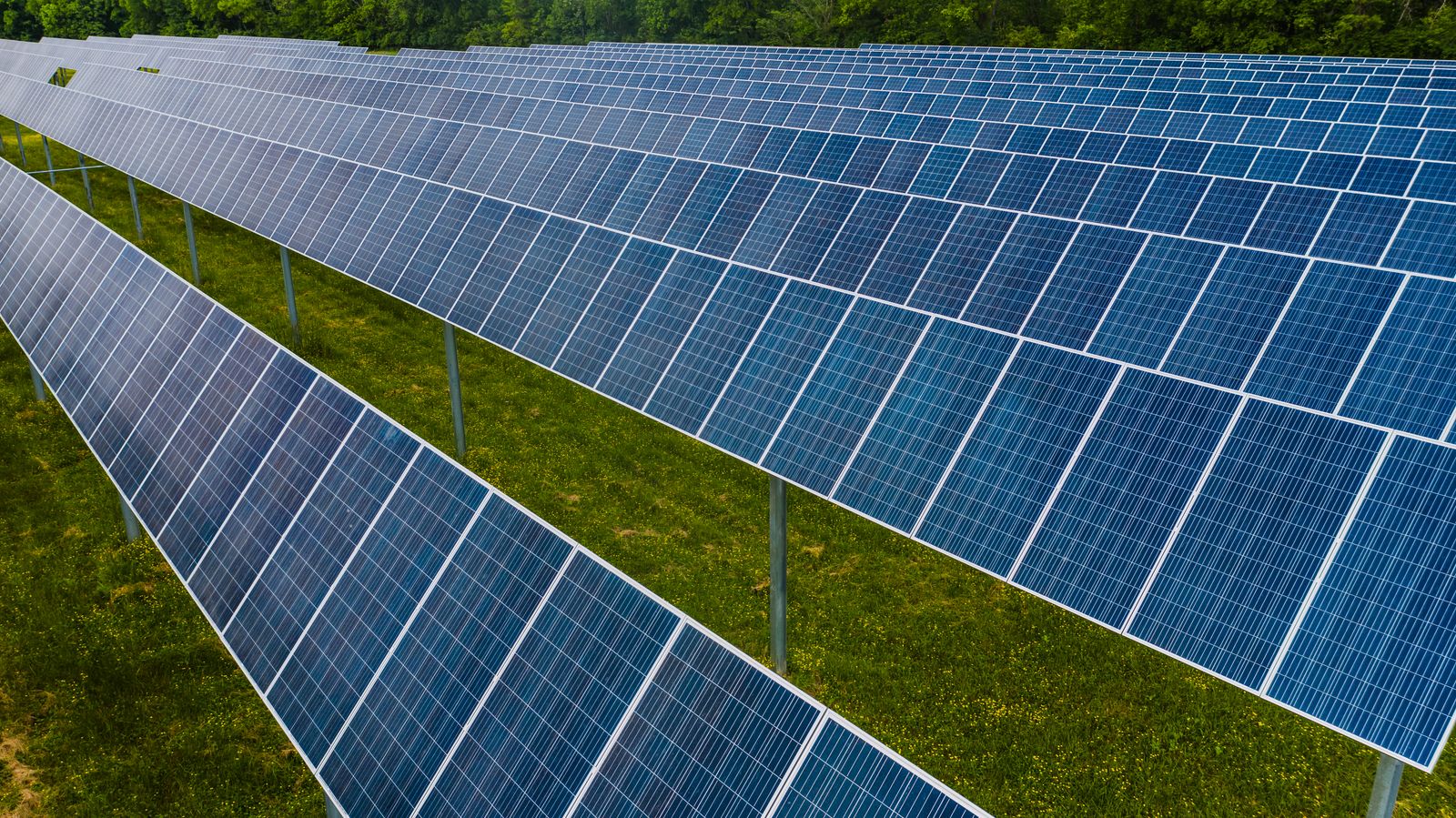
Hilera de paneles solares fotovoltaicos sobre un prado verde bajo el sol

Advantages of calculating your carbon footprint

Quantifying greenhouse gases through the carbon footprint is the starting point for developing an emission reduction strategy and offers companies numerous benefits. Whether as a tool for environmental management, communication, training or awareness-raising, the carbon footprint is establishing itself in the market as an increasingly necessary instrument for organisations. The main advantages of calculating it are as follows.

Environment

Environmental advantages

Calculating the carbon footprint makes it possible to quantify the greenhouse gas emissions associated with an activity and to assess its contribution to climate change. In this way, it can be used as a reference for decision-making and for identifying and prioritising emission reduction opportunities, fostering more efficient management. It can also help to comply with certain legal requirements and is a useful tool for the environmental and energy management of organisations.

Organization

Organisational advantages

The carbon footprint can be used as an internal communication element. It is a good tool for reducing and optimising the costs arising from emissions management. It also offers numerous competitive advantages in both national and international markets. Furthermore, it is a differentiating factor with respect to other organisations.

CSR

Advantages for CSR

The Carbon Footprint allows a company to understand and communicate the greenhouse gas emissions associated with its activities and its contribution to climate change. Its calculation and monitoring reflect the organisation's commitment to managing and reducing its emissions and promote transparency towards clients, suppliers and other stakeholders.

What types of carbon footprint are there?

There are various ways of calculating the carbon footprint depending on the object of the study. Accordingly, different methodologies for calculating and reporting emissions will also need to be used. There are basically three main types of carbon footprint.

Carbon footprint of an organisation

It determines the amount of greenhouse gas emissions associated with the performance of its activity over a given period of time which, in general, usually covers 12 months. The inventory includes the direct emissions generated by sources owned or controlled by the organisation and the indirect emissions associated with its activity, in accordance with the established organisational and reporting boundaries and the methodology applied. These emissions may include, among others, those derived from purchased energy and those produced along the value chain, both upstream and downstream.

Carbon footprint of a product

It calculates the GHG emissions generated throughout the life cycle of a functional unit of a product. This unit must be representative of the product being studied. It is essential to properly define the boundaries of the calculation and the methodology used. There are generally two structures for setting the boundaries: including all the emissions associated with the product's life cycle, or limiting them to the emissions covered by the processes up to the point at which the product reaches a new organisation or consumer.

Carbon footprint of events

It identifies and calculates the greenhouse gas emissions generated as a result of its being held. Calculating them makes it possible to identify the main emission sources and to establish measures aimed at reducing the climate impact of future editions. In addition, once the reduction actions have been prioritised, offsetting strategies can be developed for the residual emissions through projects that meet appropriate quality and traceability criteria.

How do we calculate the carbon footprint?

Numerous factors will influence the process and the stages of calculating the carbon footprint. Depending on the object of the calculation and, in particular, on the methodology chosen, the calculation steps will differ. However, in general, the following process should be followed to carry out this calculation correctly.

ISO 14064-1ISO/TS 14064-4GHG ProtocolISO 14067PAS 2050Bilan Carbone

01 · Choice of the calculation methodology

Depending on the type of carbon footprint to be calculated, there are different reference standards, norms and methodologies. The choice should be based on the characteristics and objectives of the study. For calculating the carbon footprint of organisations, references such as ISO 14064-1 and its application guide ISO/TS 14064-4 may be used, as well as the GHG Protocol Corporate Standard and, for value chain emissions, the GHG Protocol Scope 3 Standard. In the case of the product carbon footprint, references such as ISO 14067, PAS 2050 or the GHG Protocol Product Life Cycle Standard may be used. There are also other recognised methodologies, such as Bilan Carbone, whose application will depend on the characteristics and purpose of the study.

02 · Definition of the boundaries and collection of documentation

Depending on the type of carbon footprint and the methodology used, the calculation boundaries are defined beforehand — that is, how far we will go in assigning emissions to our calculation. Once the boundaries are established, it is time to gather all the data within them, both for the activity under study and for the emission factors to be used for the Carbon Footprint.

03 · Calculation of the carbon footprint

With all the information gathered, the greenhouse gas emissions are quantified. In general, the calculation is based on multiplying the activity data by the corresponding emission factors and, where necessary, applying the global warming potentials of each gas to express the result in carbon dioxide equivalent (CO2e). Adding up the emissions from the different sources and categories makes it possible to obtain the carbon footprint of the object of study and to identify those activities with the greatest contribution, serving as a starting point for setting emission reduction targets and plans and, where appropriate, offsetting strategies.


Calculate your organisation’s carbon footprint

We support you in calculating, reducing and registering in MITECO's carbon footprint Registry.