

Life Cycle Assessment / EPD
We quantify the environmental impacts of a product or service throughout its entire life cycle in order to identify improvements and communicate its environmental performance.
What is life cycle assessment?
The circular economy is one of the main pillars of the European Union's environmental policy. The Circular Economy Action Plan, part of the European Green Deal, promotes a production and consumption model based on more efficient use of resources, waste reduction and the development of more sustainable products throughout their entire life cycle.
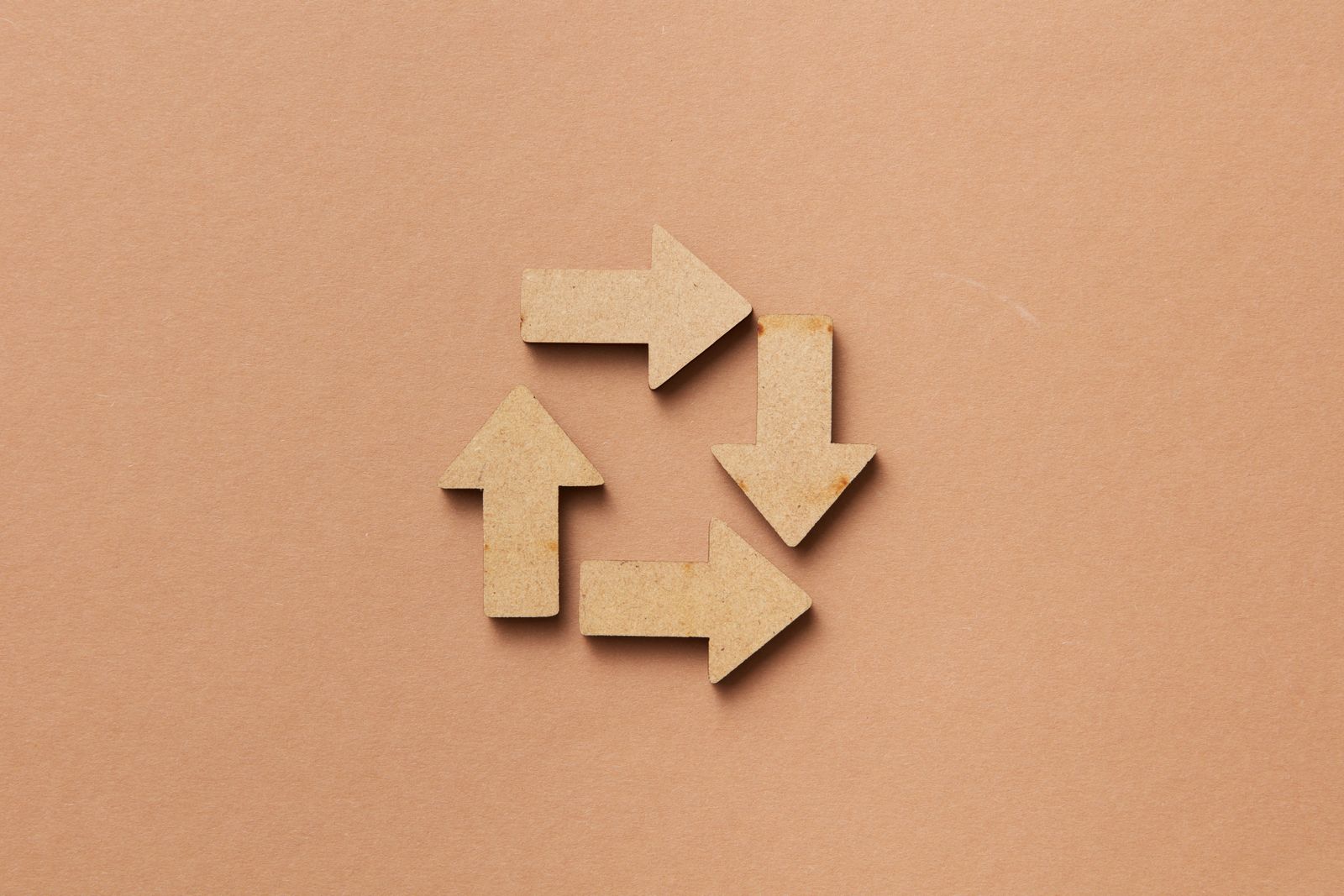
Life cycle assessment (LCA) is an environmental management tool whose aim is to analyse and quantify the potential environmental impacts associated with a product, service or activity throughout its life cycle: from the extraction and acquisition of raw materials through to its manufacture, distribution, use and end-of-life management.
An objective, systematic and methodical study
Life cycle assessment involves an objective, systematic and methodical study of the different stages that make up the life of a product or service, taking into account the inputs of resources and energy, the emissions and other outputs associated with the system under study. This analysis makes it possible to identify the main environmental impacts and to establish strategies to improve and minimise those impacts across the different stages of the life cycle.
Reference standards
When carrying out a life cycle assessment, international standards are essential tools for ensuring the consistency and quality of the study. Their application is mainly standardised through the following standards.
UNE-EN ISO 14040
Environmental management. Life cycle assessment. Principles and framework. It sets out the principles and general framework for carrying out a life cycle assessment. It defines life cycle assessment as "the compilation and evaluation of the inputs, outputs and the potential environmental impacts of a product system throughout its life cycle".
UNE-EN ISO 14044
Environmental management. Life cycle assessment. Requirements and guidelines. It sets out the requirements and provides the guidelines for defining the goal and scope, the inventory analysis, the impact assessment, the interpretation of results, the reporting and, where applicable, the critical review of the study.
According to the methodological approach
There are different LCA approaches depending on the goal of the study and the boundaries established for the analysed system.
Attributional LCA
It describes the environmental flows and the impacts associated with the analysed system as they actually occur, generally using specific data or representative averages of the processes, technologies and markets included in the study.
Consequential LCA
It analyses how environmental flows and impacts may vary as a result of a particular decision or change in the system. It can be used, for example, to assess the environmental consequences of replacing a process, technology or product with a different alternative.
By scope
Gate to gate
It covers only a specific part of the life cycle, normally from the entry of raw materials or intermediate products into a facility or process through to their exit from that production stage.
Cradle to gate
It covers from the extraction and acquisition of raw materials through to the point where the product leaves the organisation's manufacturing process, generally excluding the subsequent phases of distribution, use and end of life.
Cradle to grave
It considers the product's complete life cycle, from the extraction and acquisition of raw materials through to manufacture, distribution, use and end-of-life management.
Cradle to cradle
It adopts a circular approach in which, after the use phase, the product's materials or components are recovered for reuse, recycling or incorporation into new production cycles, reducing the need to consume new raw materials.
Stages of life cycle assessment
In general, an LCA study is structured in four phases: definition of the goal and scope, life cycle inventory analysis, life cycle impact assessment and interpretation of the results. The life cycle of the analysed product may in turn comprise, among others, the following stages.
Product life cycle stages
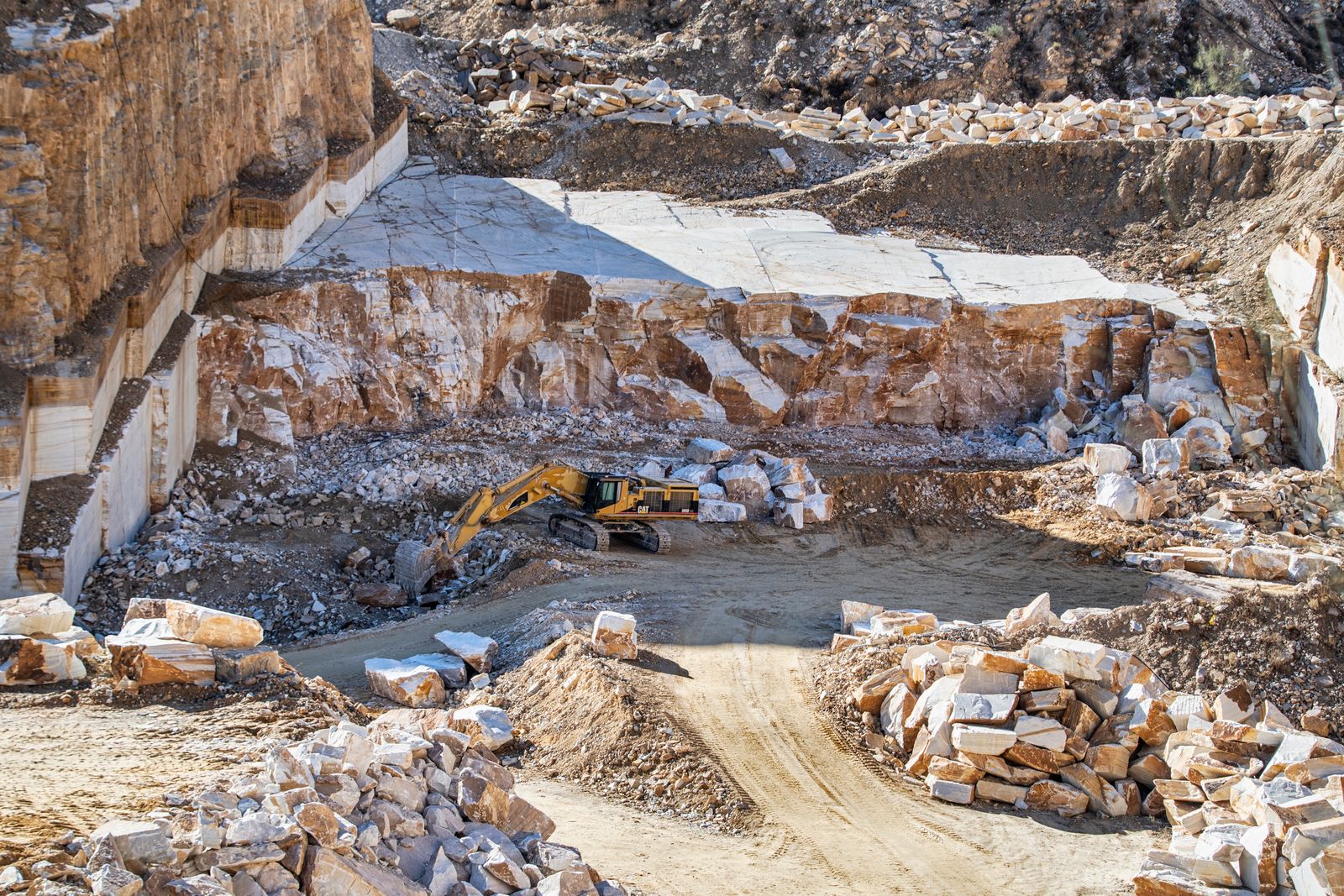
Extraction and acquisition of raw materials
It covers all the activities involved in obtaining raw materials for further processing.
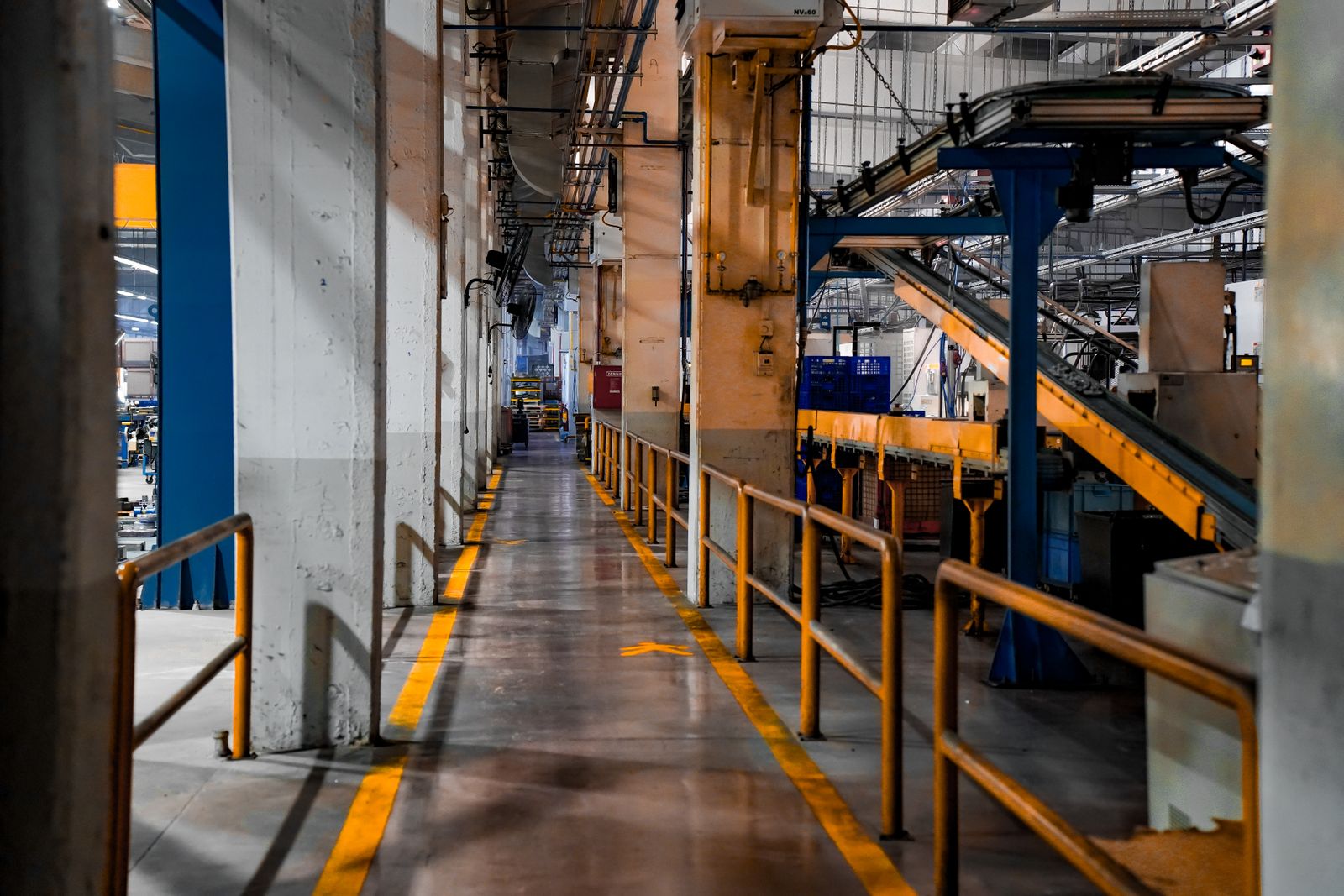
Manufacturing
Activities to transform raw materials and manufacture products.
Transport and distribution
Once the product is manufactured, its distribution begins.
Use, maintenance and repair
The environmental aspects and impacts associated with this stage will depend on the characteristics, function and conditions of use of the product or service.
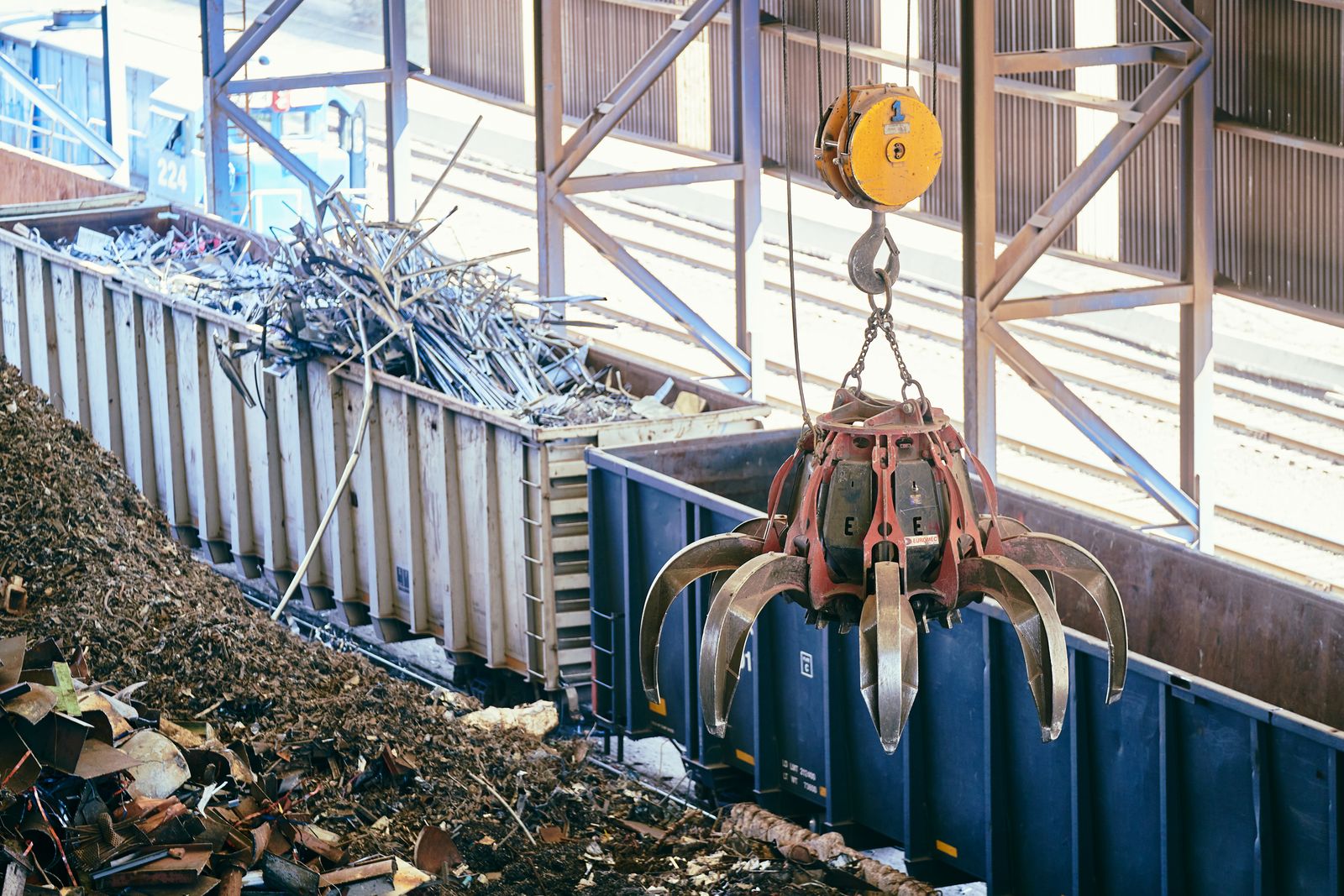
End of useful life
Once the product's useful life has ended, the activities associated with its collection, dismantling, separation of components and treatment are considered, which may include reuse, recycling, recovery or disposal processes.
Environmental Product Declarations (EPD)
One of the main applications of LCA is Environmental Product Declarations (EPDs), documents verified by an independent third party that communicate the environmental performance of a product based on the results of its life cycle assessment. They are drawn up in accordance with the UNE-EN ISO 14025 standard and following Product Category Rules that ensure that two equivalent products can be compared on an equal footing.
There are EPDs for construction materials (cement, concrete, insulation, ceramics, steel), for finished products (furniture, lighting fixtures, packaging, textiles) and even for entire buildings. They serve to demonstrate the product's environmental profile to customers, to score points in public tenders and in certifications such as LEED or BREEAM, and to respond to the environmental information requirements that more and more markets are demanding.

Where EPDs are applied
Eco-design and life cycle assessment
Ecodesign consists of integrating environmental criteria from the design and development phase of a product with the aim of reducing its environmental impacts throughout its entire life cycle. Incorporating the environmental variable from the earliest design stages makes it possible to act on aspects such as the selection and quantity of materials, energy and resource efficiency, durability, reparability, reuse, recyclability and end-of-life management.

Ecodesign has also gained growing importance within European product policy. Regulation (EU) 2024/1781, which establishes a framework for setting ecodesign requirements for sustainable products, seeks to improve the environmental sustainability of products throughout their entire life cycle and sets the framework for developing requirements relating, among other aspects, to durability, reparability, resource-use efficiency, recycled content and recyclability.
Ecodesign strategies
- ✓Reduce the use of materials and resources
- ✓Extend the useful life of products
- ✓Improve their efficiency
- ✓Facilitate their repair, reuse and recycling
- ✓Optimise the weight, size and composition of products
Do you want to know the environmental impact of your product?
We help you carry out the life cycle assessment and obtain your Environmental Product Declaration.